01 / Ways to support
Train emerging scientists
Talk with us about supporting hands-on research training and opportunities for students.
Neuroscience · Electrophysiology · Translational
What does the neuron say — let's find out!
We study neuronal physiology across health and disease, from single-channel currents to whole-organism behavior.
About the lab
At a glance
Citation metrics from Google Scholar, August 2026. Home to diversity, curiosity, and innovative ideas.
Research programs
Every project in the lab reads out the electrical language of cells.
Explore microscopy from our lab, then discover the models and measurements behind our cystic fibrosis and CFTR-modulator research.
Inside our flagship program
What changes when we connect the models? Explore the cultures and measurements behind our research into CF and its treatments.
Explore the models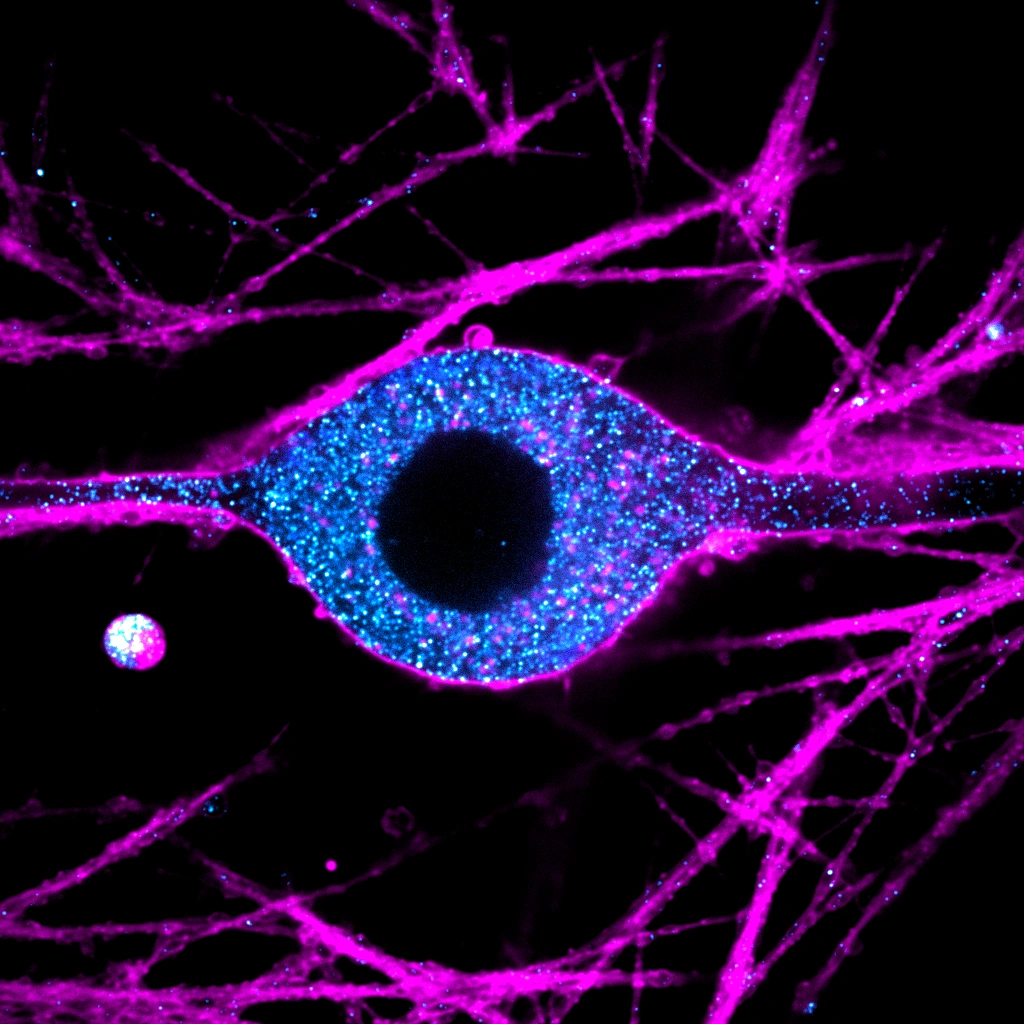
01 / The starting point
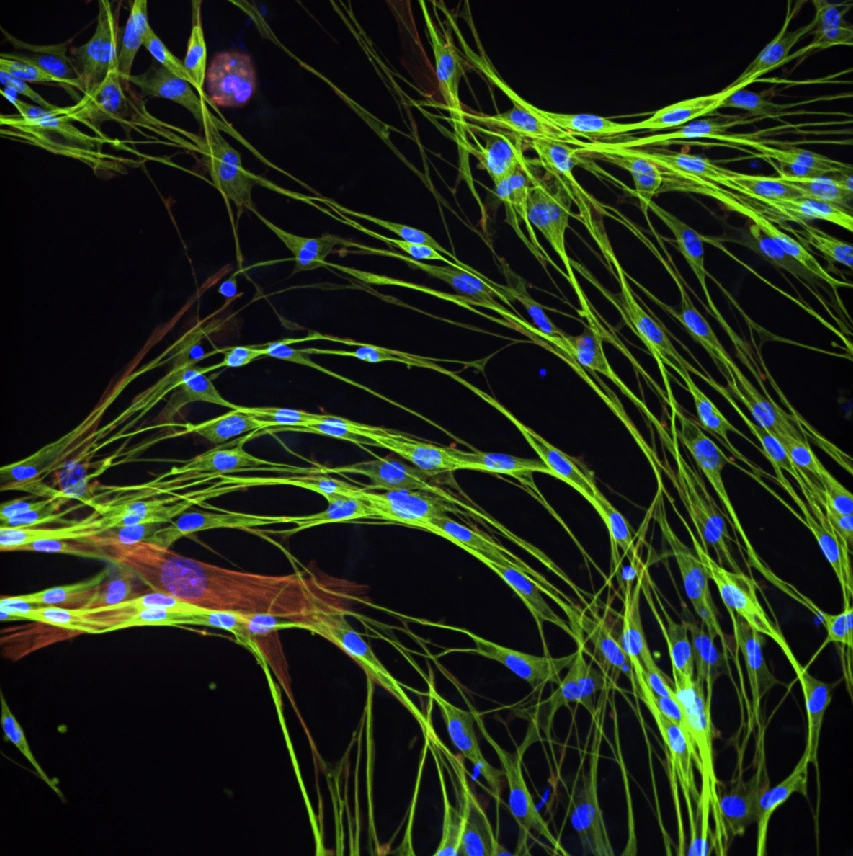
We study sensory, autonomic and central neurons alongside intestinal epithelium, muscle and human-derived brain tissue. Comparing these models helps us ask where CF-associated changes begin and how modulators affect each component.
Select a specimen to meet the models behind the work.
Data collection underwayTap or click a specimen to explore
Primary cultures, stem-cell-derived models and tissue preparations offer complementary views.
The question across every model
Compare cystic fibrosis models homozygous for F508del with heterozygous carriers and wild-type controls, and explore treatment conditions across the research models.
01 / Compare models
02 / Compare conditions
Study design · No experimental results shown
Our cultures include human stem cells; primary DRG, SCG, enteric and hippocampal neurons; intestinal organoids; human-stem-cell-derived brain organoids; and smooth muscle. Intestinal organ-bath work provides a separate tissue preparation, and whole-animal gut transit extends the work to the whole animal.
Our gut-on-a-chip combines DRG sensory neurons, enteric neurons and intestinal organoids. Studying components separately and together helps us ask whether CF or modulators change neuronal physiology, the gut lining or communication between them.
Does a motility difference begin in muscle cells, emerge within intestinal tissue, or depend on the intact animal? Smooth-muscle culture, organ-bath recordings and gut-transit measurements address these questions at complementary scales.
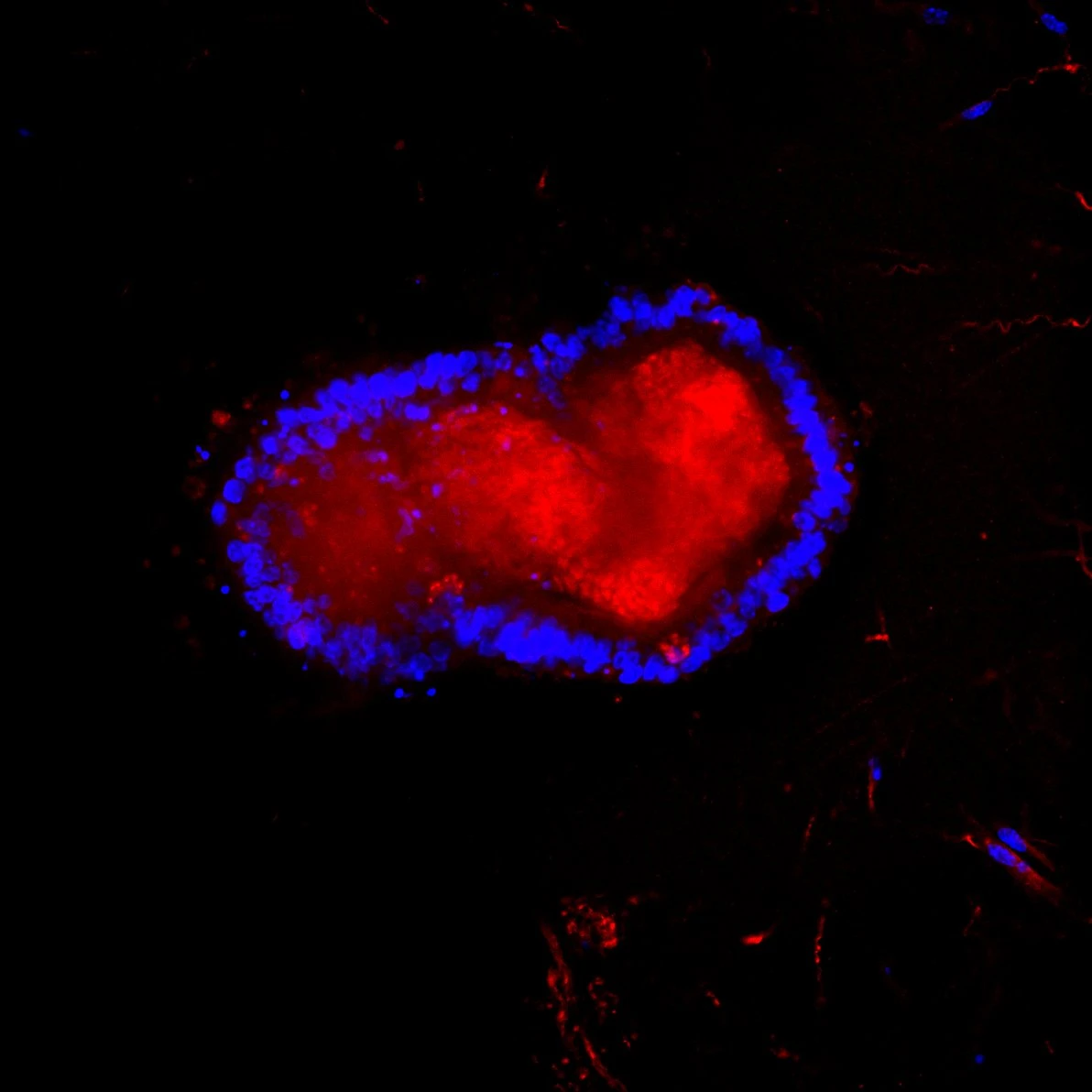
We compare direct modulator exposure in hippocampal cultures with brain slices collected after systemic treatment, and add human-stem-cell-derived brain organoids. Together, these models test how CF and modulators may influence neuronal physiology.
We plan human stem-cell-derived sympathetic, enteric and hippocampal neurons and cardiac muscle. A future SCG-like neuron–cardiac co-culture will ask whether responses begin in the nerve cells, the muscle cells or their interaction.
Across these models, our research aims to compare cystic fibrosis models homozygous for F508del with heterozygous carriers and wild-type controls, and to investigate responses across treatment conditions, including Trikafta (ETI) and Alyftrek (VTD).
ETI combines elexacaftor, tezacaftor and ivacaftor (Trikafta). VTD combines vanzacaftor, tezacaftor and deutivacaftor (Alyftrek).
Current U.S. prescribing information describes postmarketing neuropsychiatric reports in people taking these treatments or drugs with the same or similar active ingredients. These reports motivate questions; they do not establish the cellular mechanism being investigated here. Data collection is underway in the brain research shown above.
Trikafta prescribing information ↗Alyftrek prescribing information ↗
From models to measurements
Explore the techniques we use to record activity, image connections and measure function.
Techniques & capabilities
We keep a broad methodological toolkit under one roof.
The people
Curious, collaborative, and hands-on.
Selected publications
Recognition
Twice recognised in the USask Research Image Contest.
Beyond the bench
Professional development for trainees
Conferences give our trainees opportunities to present their research, exchange ideas, and build connections across the cystic fibrosis community.
Explore the conference momentsSupport discovery
Help advance our cystic fibrosis and CFTR-modulator research through training, experimental resources and the next generation of connected models.
01 / Ways to support
Talk with us about supporting hands-on research training and opportunities for students.
02 / Ways to support
Discuss the experimental resources and tools needed to investigate neuronal activity.
03 / Ways to support
Explore opportunities to support the next questions in our CF and CFTR-modulator research.
Interested in contributing? Contact us to discuss the lab’s research priorities and ways to help.
Contact
Questions about our research, collaborations, joining the lab, or supporting our work? We'd love to hear from you.
University of Saskatchewan
College of Medicine, Saskatoon.